

Most boards are accumulated. Ours is assembled.
We start with what the Foundation needs to do, then look for the person who makes it possible. We look for proximity to the work, independence of judgement, genuine reach into a community, and the willingness to put in the hours.
We compose across disciplines, regions, generations, and kinds of knowledge, so the researcher and the cultural custodian sit at the same table with the same vote.
Two rules hold us honest. Nobody is appointed to represent a category; every member holds a portfolio of work. And no seat is available in exchange for funding.We would rather leave a chair empty than fill it with a name.
Treasurer (Open)
Term 2026-2028
We are looking for someone to hold the books and the line. This board has committed to refusing seats in exchange for funding, which is a principled position and an expensive one, and the treasurer is the person who makes it survivable.
The work is oversight of budgets, financial reporting and controls, roughly 3 hours a quarter over a 2-year term length, and at least one conversation a year that nobody enjoys. Accounting credentials welcome, financial literacy and steadiness essential. If that is you, use our contact page and let us know.
Board Member Gallery 2026-2028
Full profiles of all our board members are detailed below on this page. Welcome, Board, for the term 2026-2028!
Sponsors & Partners
We appreciate our sponsors & partners who have joined us for this mission. We can only do this work with the support of organizations like you.
THANK YOU!















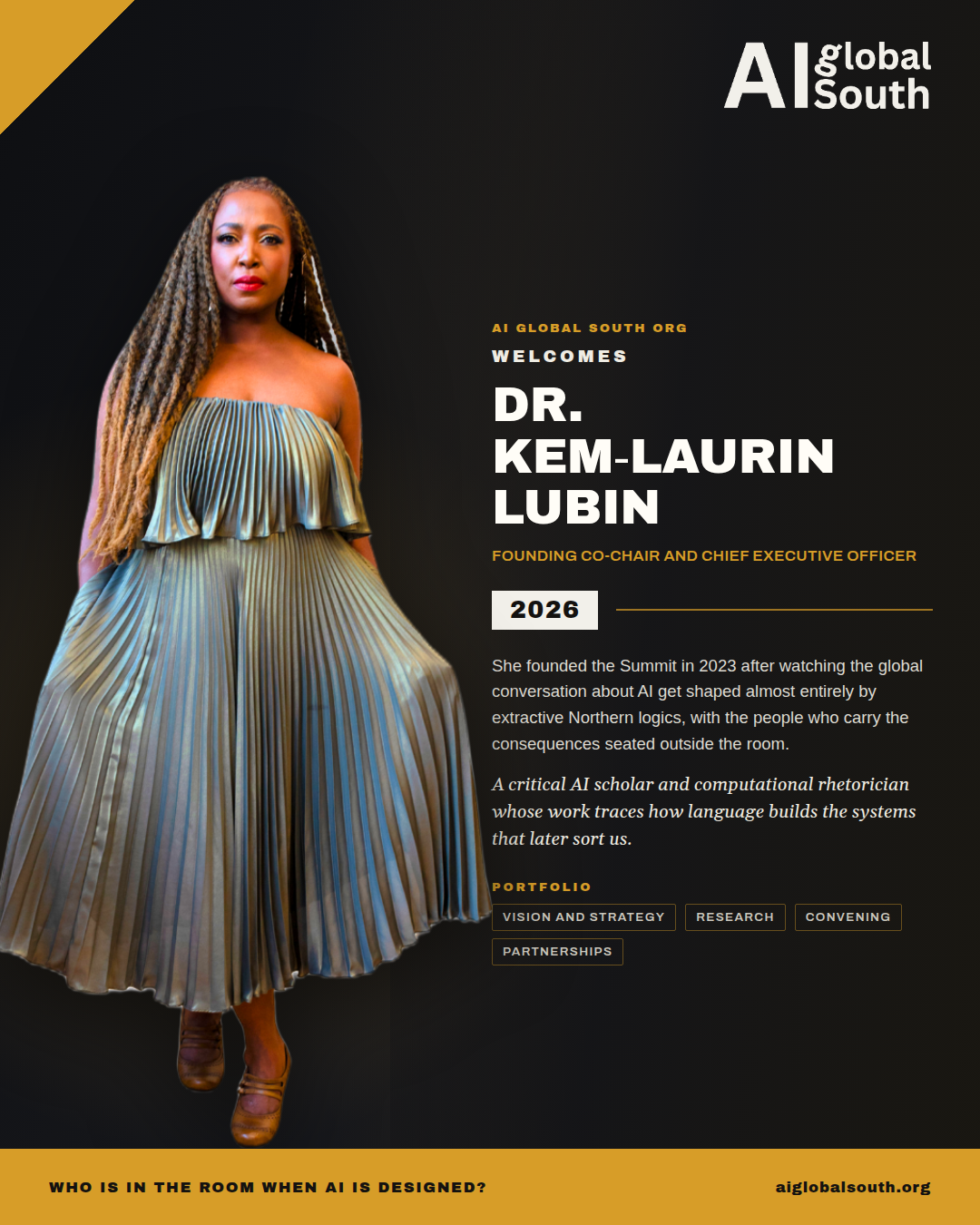
Founding Co-chair & Chief Executive Officer
Permanent Member
Dr. Kem-Laurin Lubin works at the convergence of computational rhetoric, AI governance, and equity-centred design. She holds a PhD from the University of Waterloo, where her dissertation developed ethotic heuristics for responsible AI design, and she is a 2026/2027 Postdoctoral Fellow with the Digital Policy Hub at the Centre for International Governance Innovation. She is the author of Design Heuristics for Emerging Technologies: AI, Data, and Human-Centered Futures. Considerations for the Rights of Women. She founded the AI Global South Summit in 2023, after noticing that conversations about AI were being shaped by extractive Global North logics that still described the Global South in colonial terms. She chairs this board around a single question: when a system makes a decision about you, what kind of person does it think you are? She holds that question through Global South epistemologies, and writes on power, algorithmic harm, and the making of the digital subaltern.
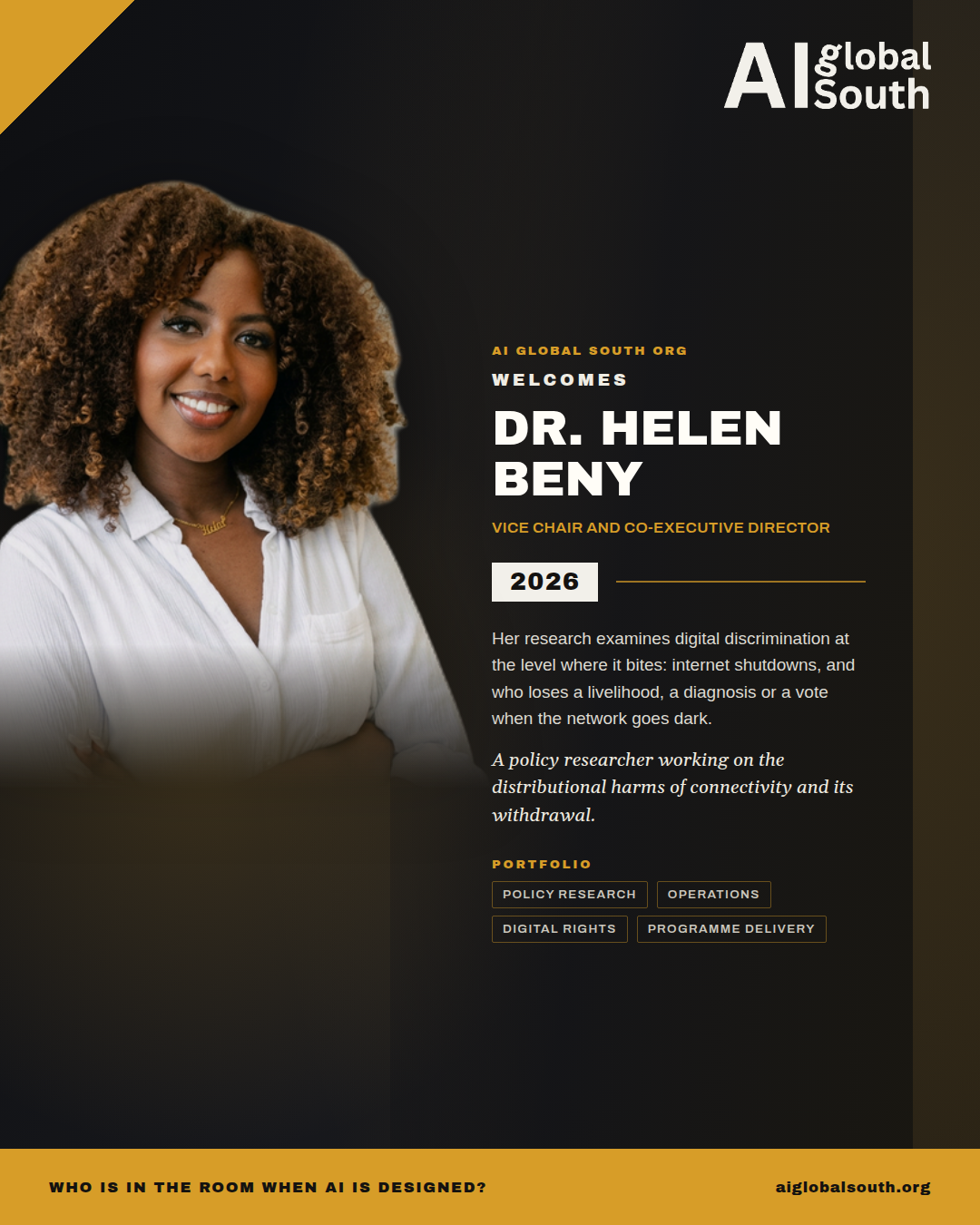
Vice Chair & Co-Executive Director
Permanent Member
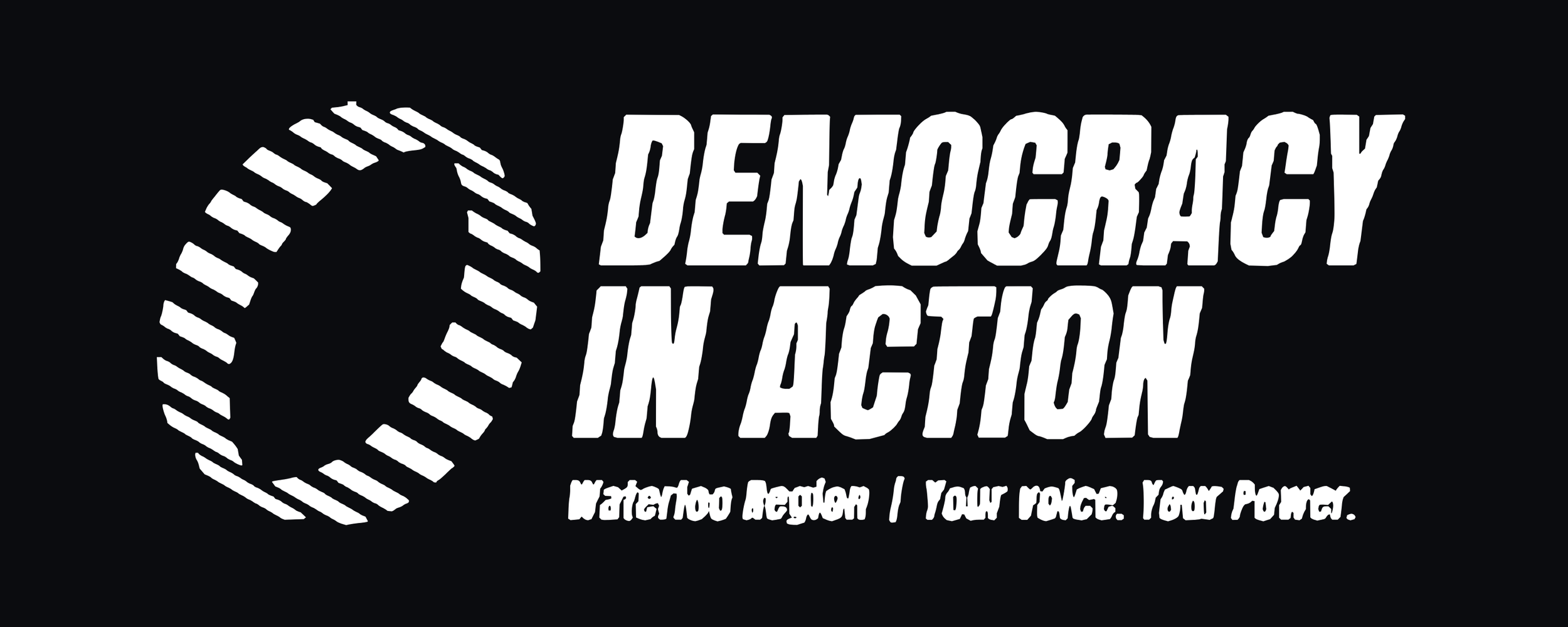
Dr. Helen Beny is a researcher and policy consultant working at the intersection of technology and politics, with a PhD in Comparative Public Policy from McMaster University, where her dissertation traced digital discrimination against historically marginalized communities in Ethiopia and India. Her work on internet shutdowns and digital repression found that regional blackouts are not short-term authoritarian reflexes but the continuation of long histories of discrimination, present in democracies and autocracies alike, and borne most heavily by women.
She holds this board to the question she puts at the centre of her own writing: who gets left out of the room when digital policy gets made?
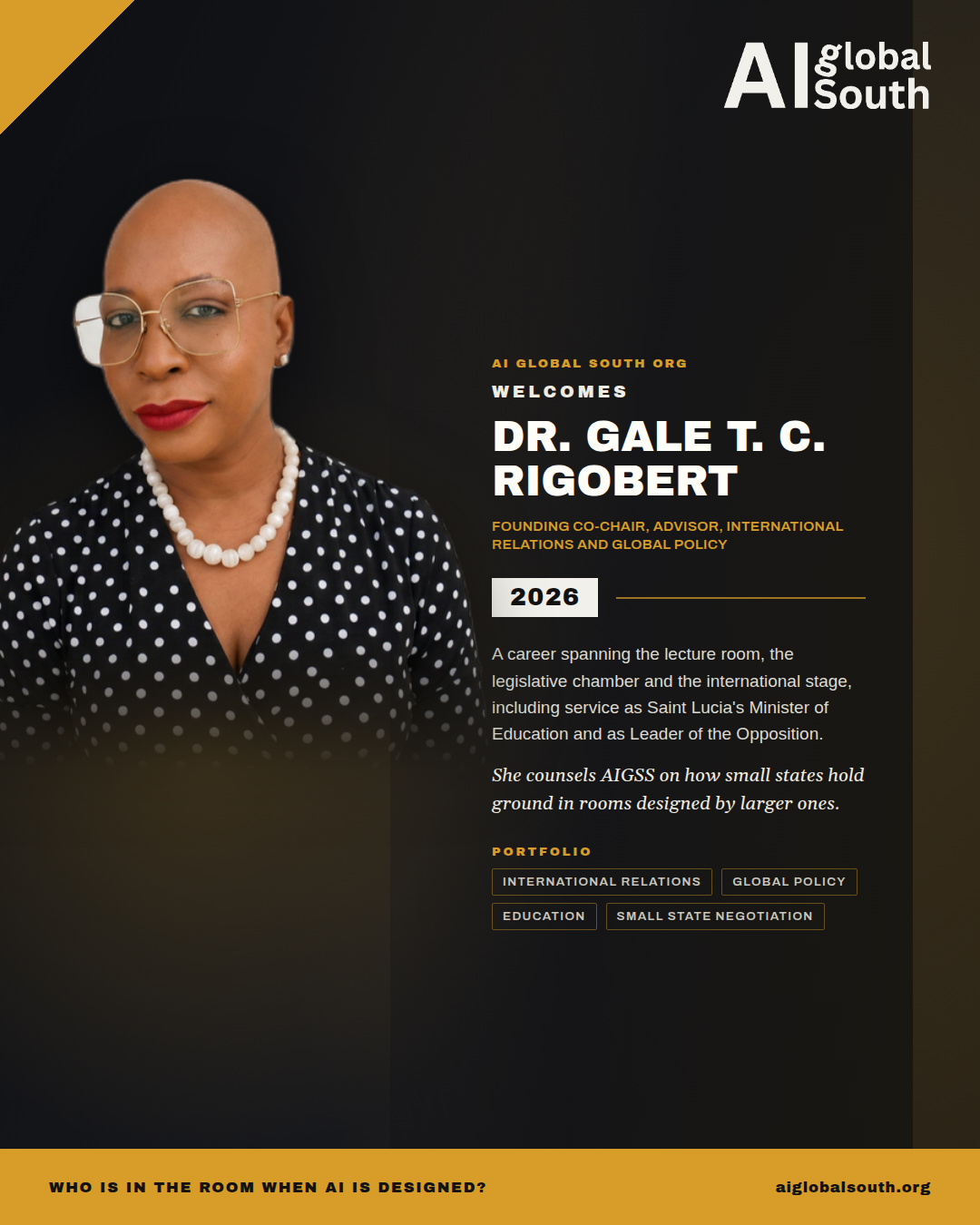
Founding Co-Chair, & Advisor, Int’l Relations & Global Policy
Permanent Member
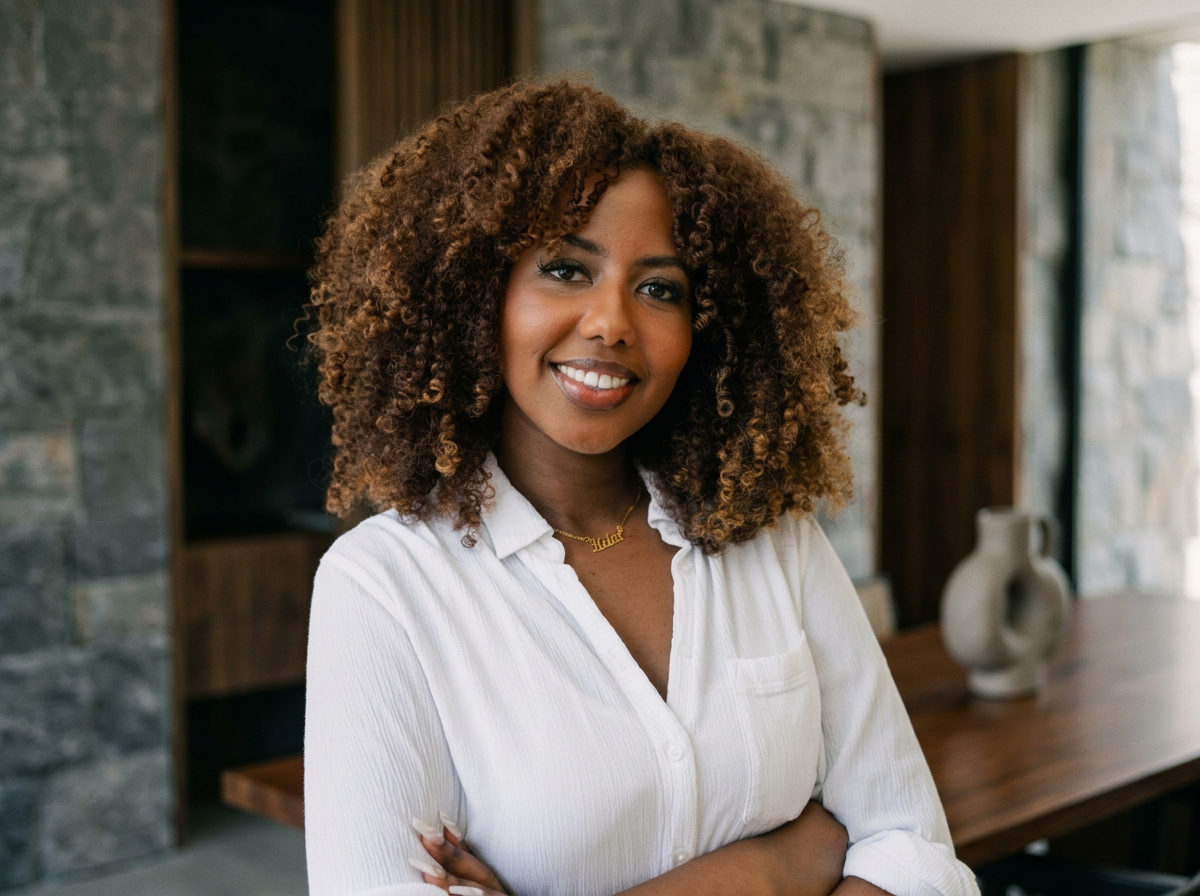
Dr. Gale Rigobert completed her Masters at Cambridge and holds a PhD in International Relations from the University of the West Indies, St. Augustine, and has spent her career spanning the lecture room, the legislative chamber, and the international stage, most recently as Saint Lucia's Minister of Education, Innovation, Gender Relations and Sustainable Development, and in 2014 as the youngest and first woman to lead the parliamentary opposition in her country. Her scholarship, including Bridging the Digital Divide? Prospects for Caribbean Development in the New Techno-economic Paradigm, asked two decades ago what small island states stand to gain or lose when a new technological order arrives without them, which is the question this Foundation now asks of AI. A founding member of this summit, she is seated for the work of turning our research into standing in the rooms where international policy is actually decided.
Lead Independent Director, Education and Scholarships
Term 2026-2028
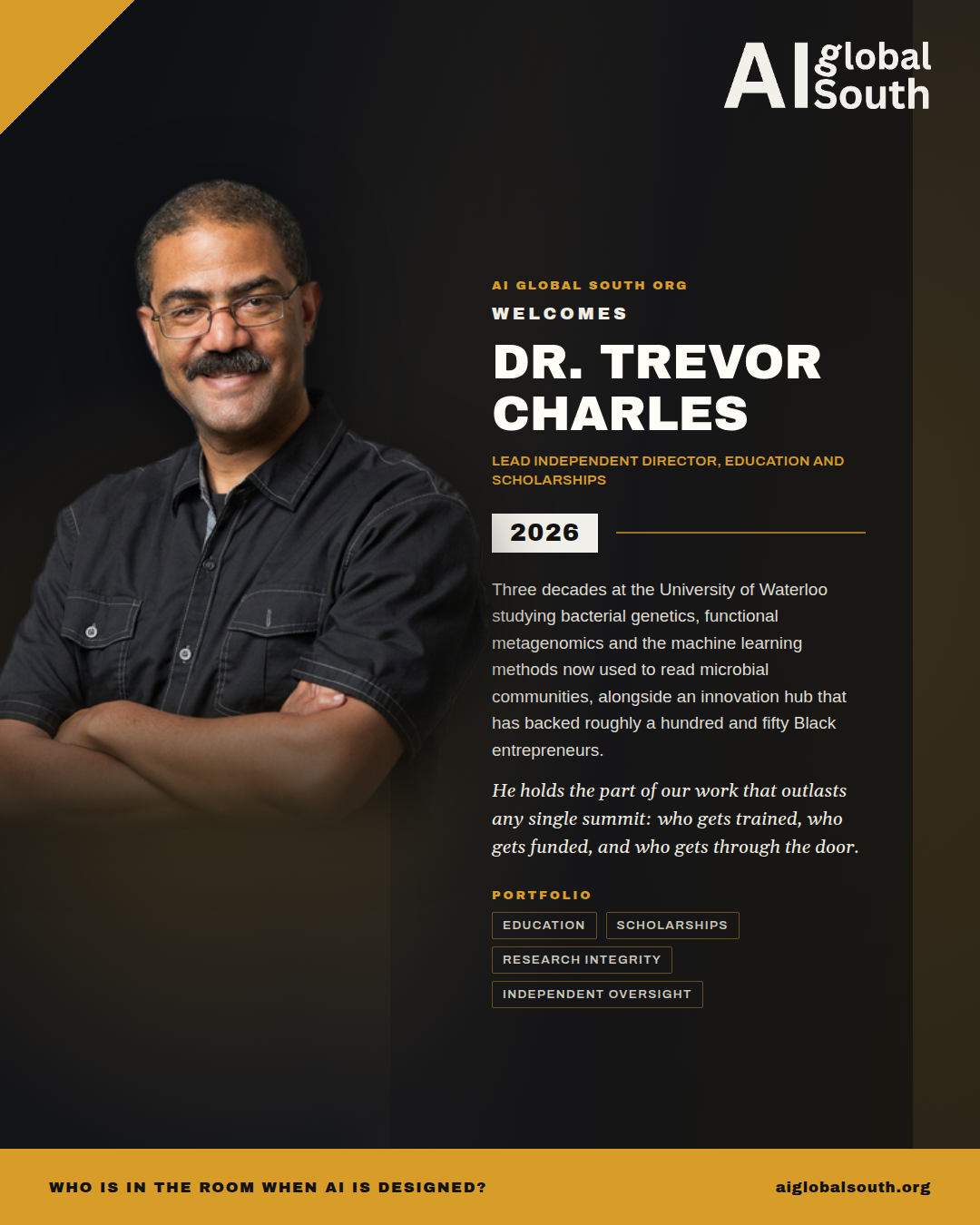
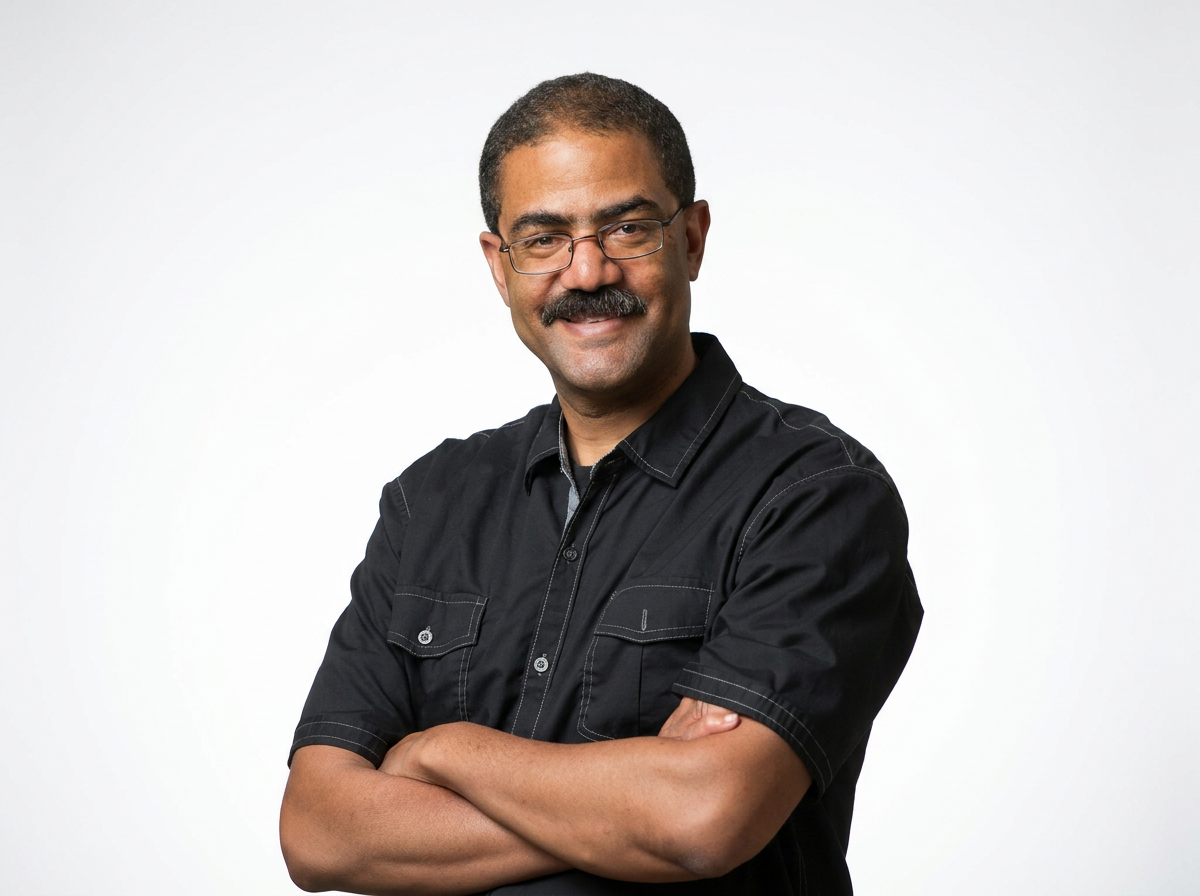
Dr. Trevor Charles is a professor of biology at the University of Waterloo, where he has spent nearly three decades on bacterial molecular genetics, functional metagenomics, and the machine learning methods now used to read microbial communities. Alongside the lab he founded and leads Lanterna Black Innovation Hub and serves as CEO of Metagenom Bio Life Science, work that has supported roughly 150 Black entrepreneurs and earned him the inaugural Wiley Research Heroes Prize in 2025, chosen from more than 1,700 nominations worldwide. He holds our education and scholarships portfolio because he has spent a career proving the thing this Foundation argues: that talent was never the missing variable, only access.
Advisor: Social Change & Community Advisor
Term 2026-2028
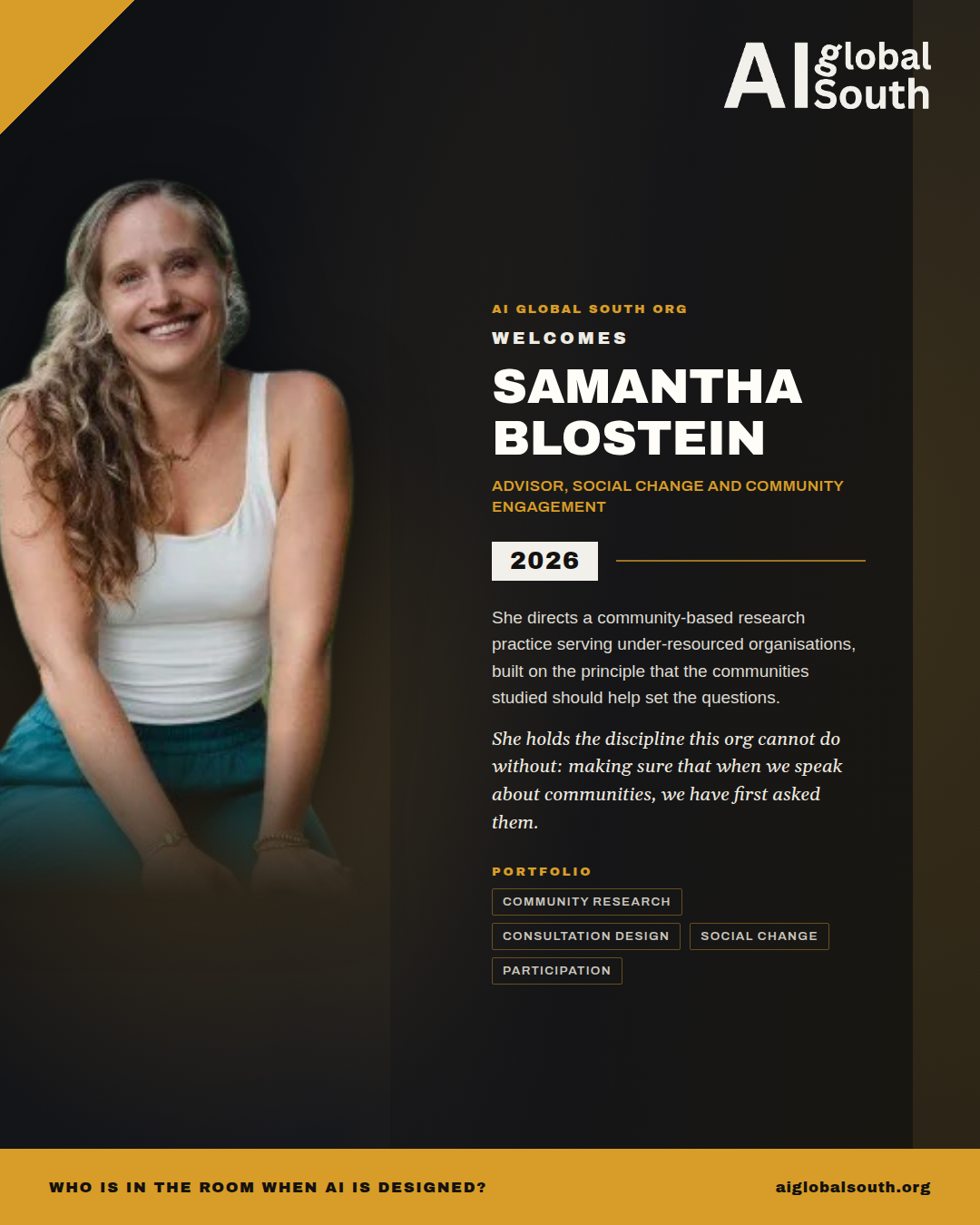
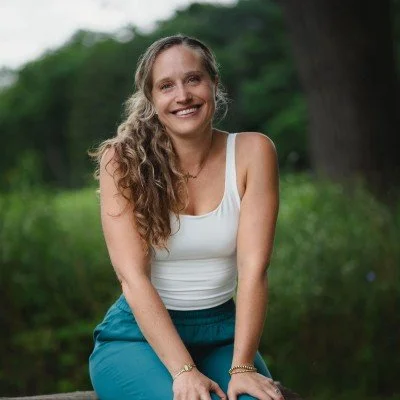
Samantha Blostein is the director of Research for Change, a practice that carries out community-based research for the organizations least able to fund it: women's shelters, newcomer and settlement services, justice collaboratives, and community health teams across Ontario and beyond. She also teaches international development at the University of Guelph and serves as a global engagement specialist at its Community Engaged Scholarship Institute, where she builds the partnerships that let students and faculty work on research priorities communities set for themselves. She is seated for the discipline this board cannot do without: making sure that when we speak about communities, we have first done the harder work of asking them.
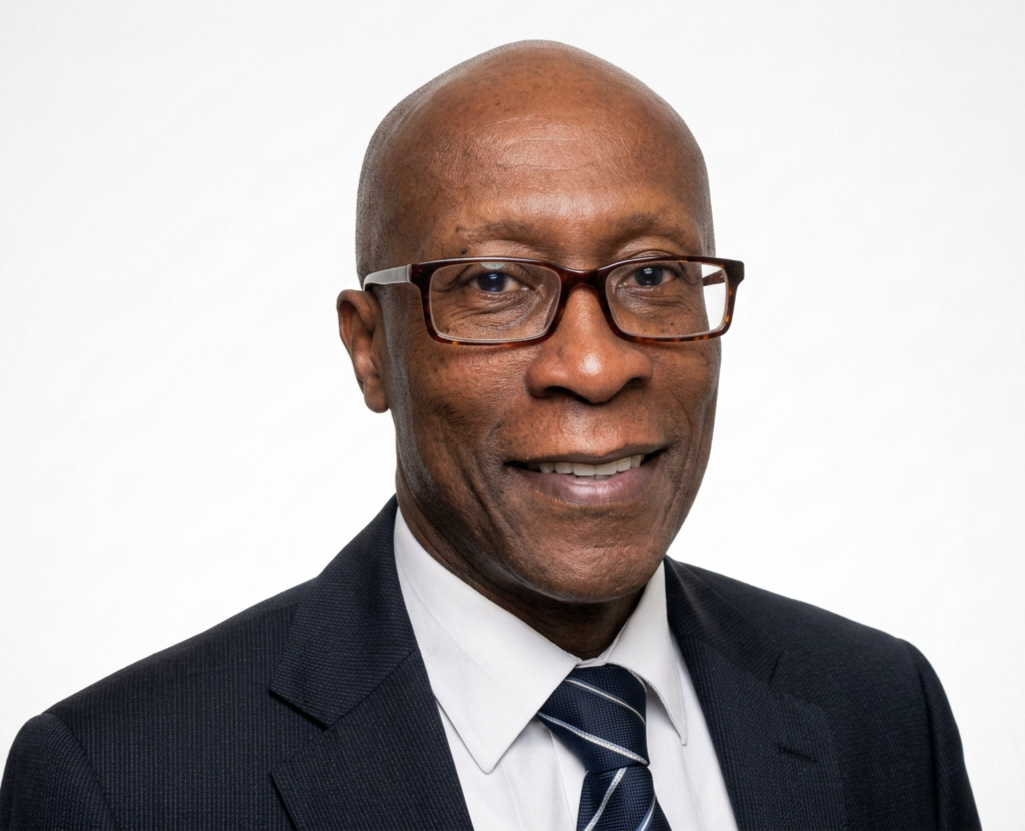
Lead Independent Advisor, Pan African Affairs
Term 2026-2028
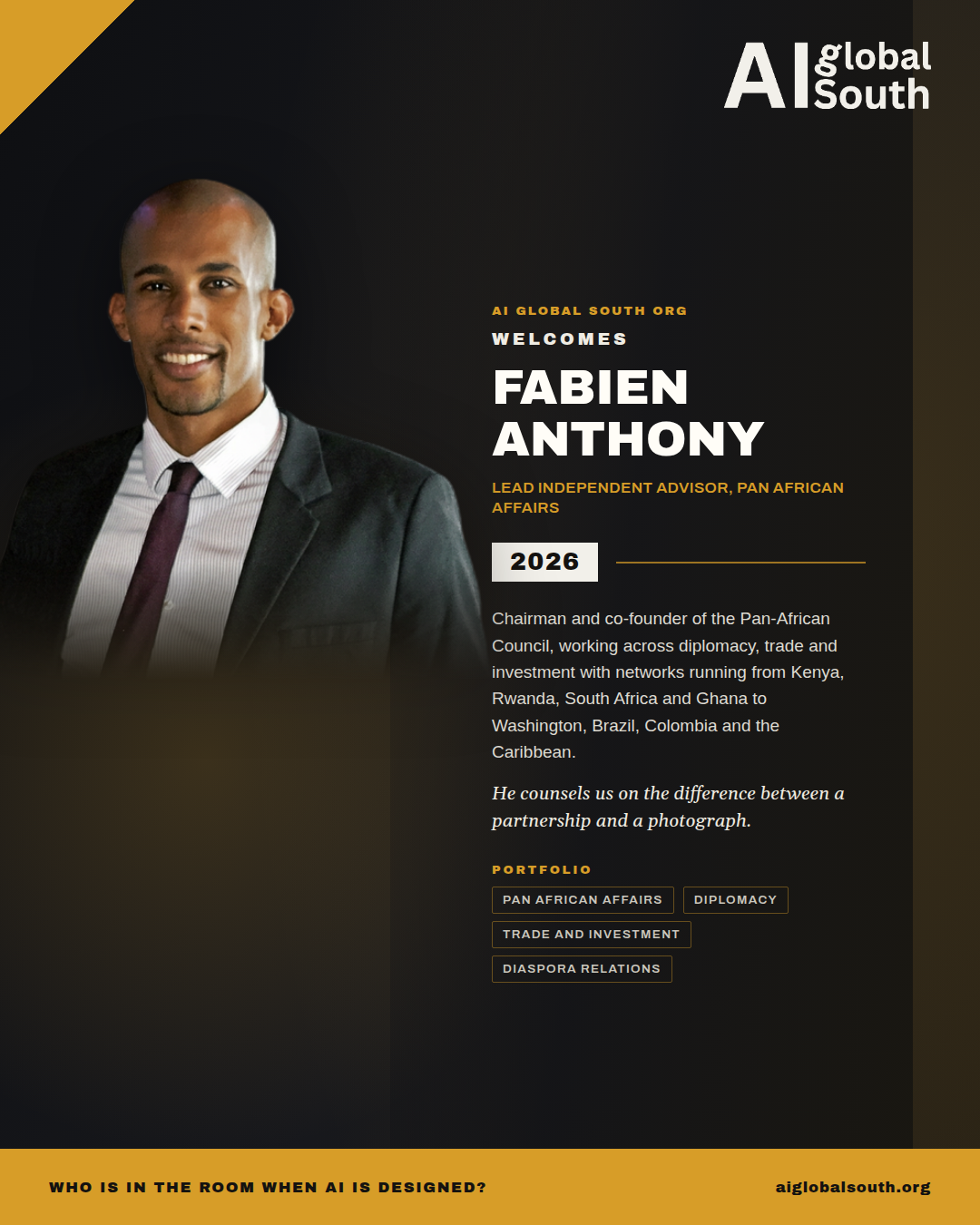
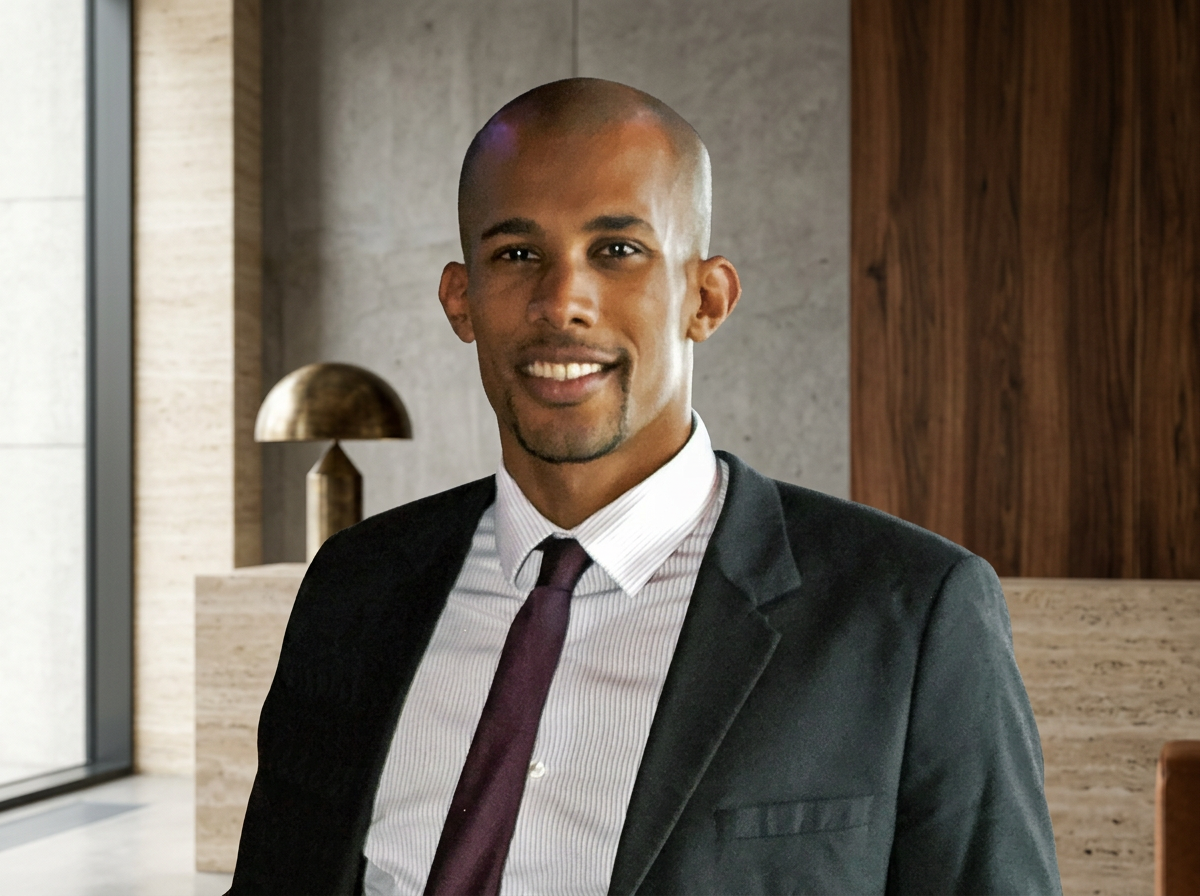
Fabien Anthony is chairman and co-founder of the Pan-African Council, a global leadership body working across Africa and its diaspora on three fronts: diplomacy, economic development, and community. The Council's network runs through Kenya, Rwanda, South Africa, Ghana, Washington, Brazil, Colombia and the Caribbean, and it reports brokering more than $212 million in intra-African and diaspora trade and investment across technology, manufacturing, agribusiness and the creative economy, alongside advisory work with political leadership in over twenty countries.
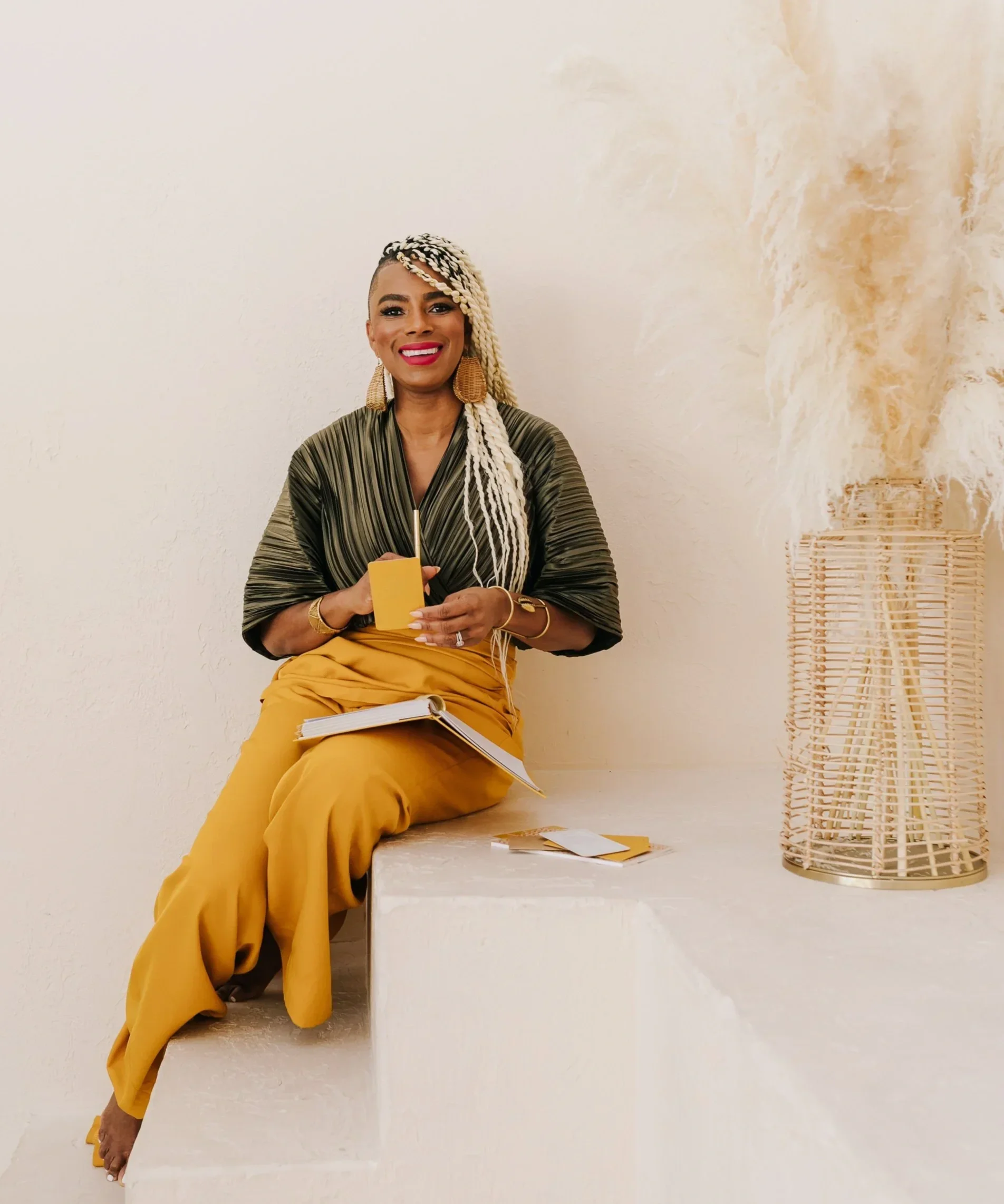
Advisor, Knowledge Systems & Epistemic Justice
Term 2026-2028
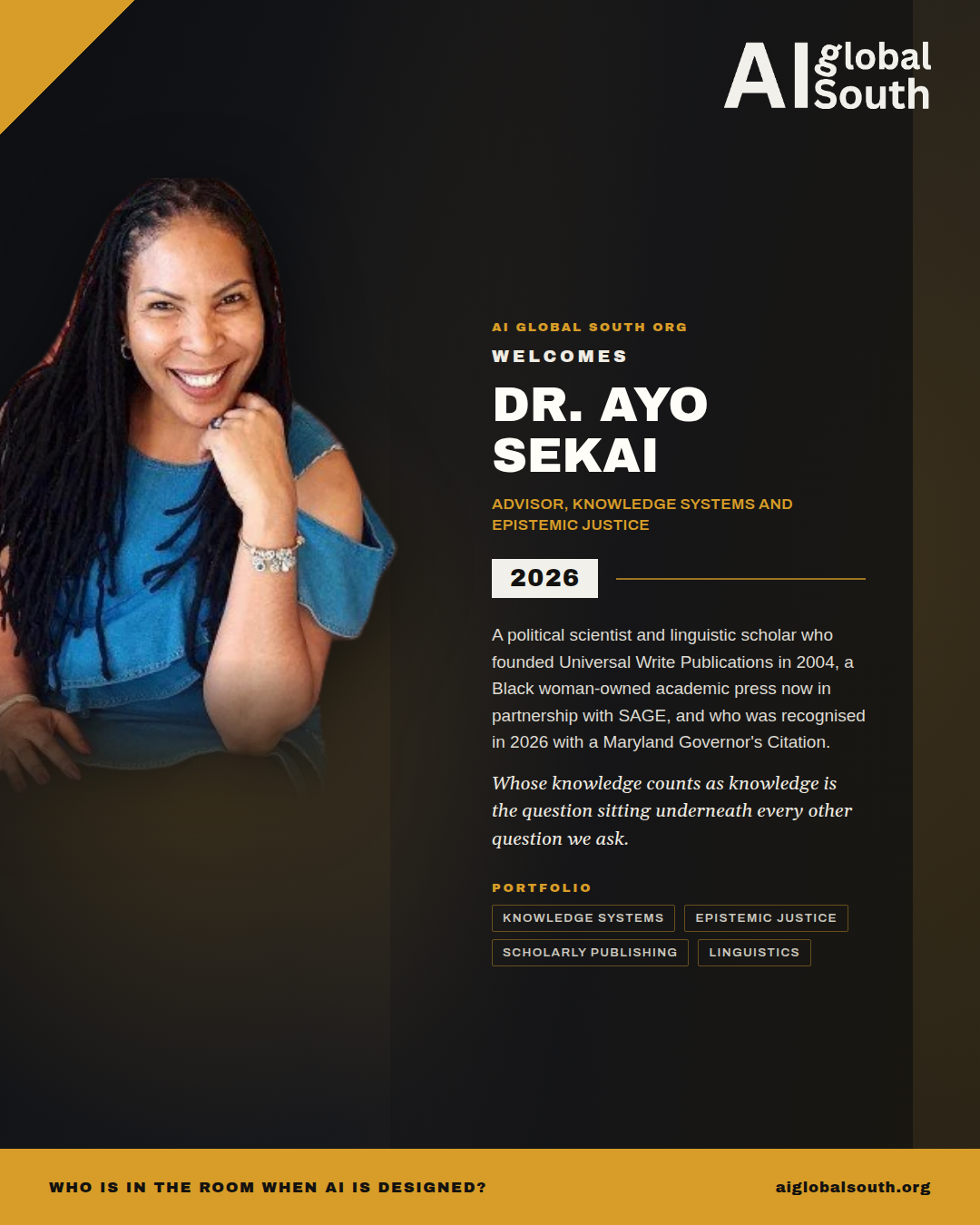
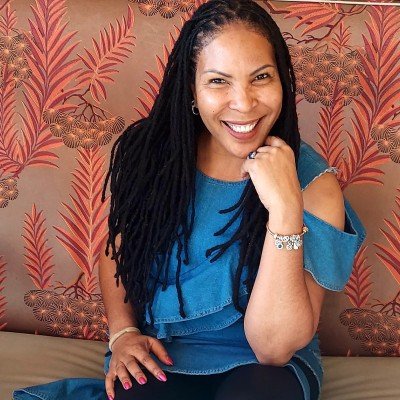
Dr. Ayo Sekai holds a PhD in political science from Howard University and is a linguistic scholar whose work interrogates how language structures carry systemic racism, from linguistic imperialism to the policy machinery of the school-to-prison pipeline. In 2004, she founded Universal Write Publications, a Black woman-owned academic press now in partnership with SAGE, built to publish Black and Brown scholarship across the Global South and North divide. In 2026, the State of Maryland recognized that work with a Governor's Citation, presented during Maryland Caribbean Heritage Month. She is also the author of A2: A Scholarly Poetical Science Discourse (2024), in which she introduces the Poetical Science Discourse method, treating poetic inquiry as a legitimate instrument of political analysis rather than an ornament to it. Her conviction is that Black scholars should observe history through their own intellectual discourse rather than remain its observed subjects, which is the question this work asks of AI as well: who holds the instrument, and who is merely recorded by it.
Ambassador in Residence
Term 2026-2028
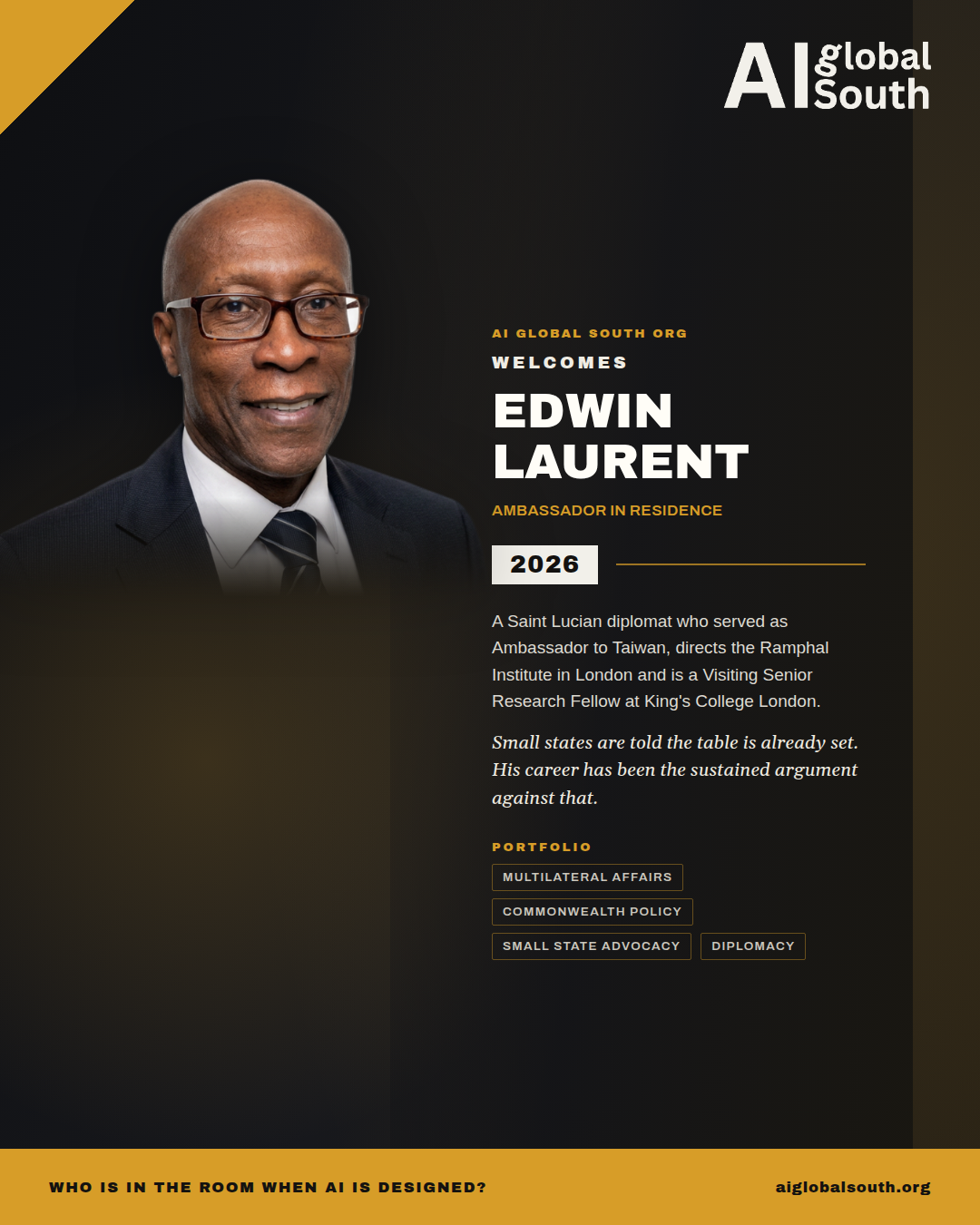
Edwin Laurent heads the Thinktank iDERA. He started in Finance and went on to a varied career focused on trade and economic development. He served as Ambassador to various countries and organizations, including the EU, the WTO, OPCW, France, Germany and the Republic of China (Taiwan). He directed the Ramphal Institute in London and was Visiting Senior Research Fellow at King's College London. Before that, he led the Commonwealth Secretariat’s trade research and policy development programmes. His experience and insights from international negotiations helped inform his research into how small states, despite their constraints, can be effective in asymmetrical relations and secure their interests even at a ‘table they did not set’. His recommendations, including the strategic use of leverage, can be relevant in the corporate and technological spheres where asymmetries also exist. Edwin advocates for equity both within and among nations and argues for those most at risk to have an effective voice when decisions that affect their livelihoods are being taken.
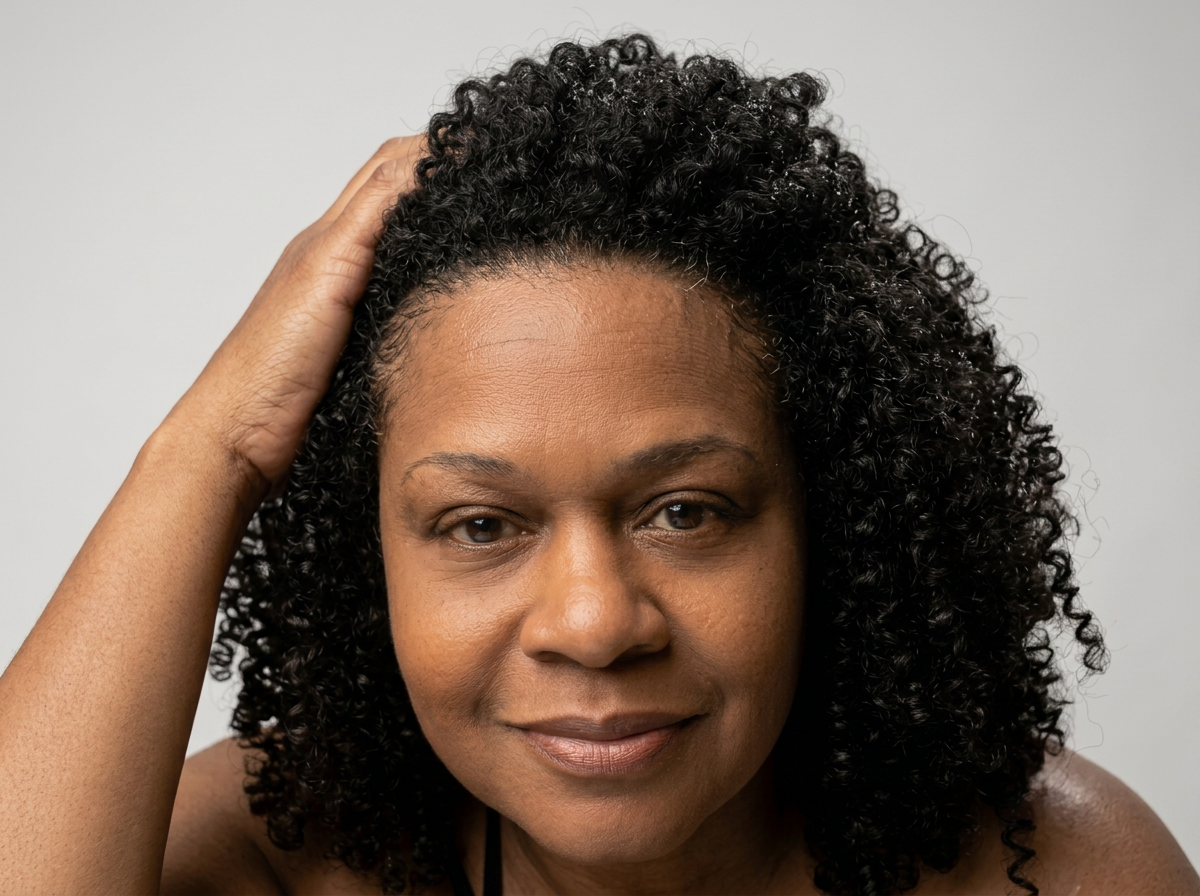
Advisor, Cultural Intelligence & Memory
Term 2026-2028
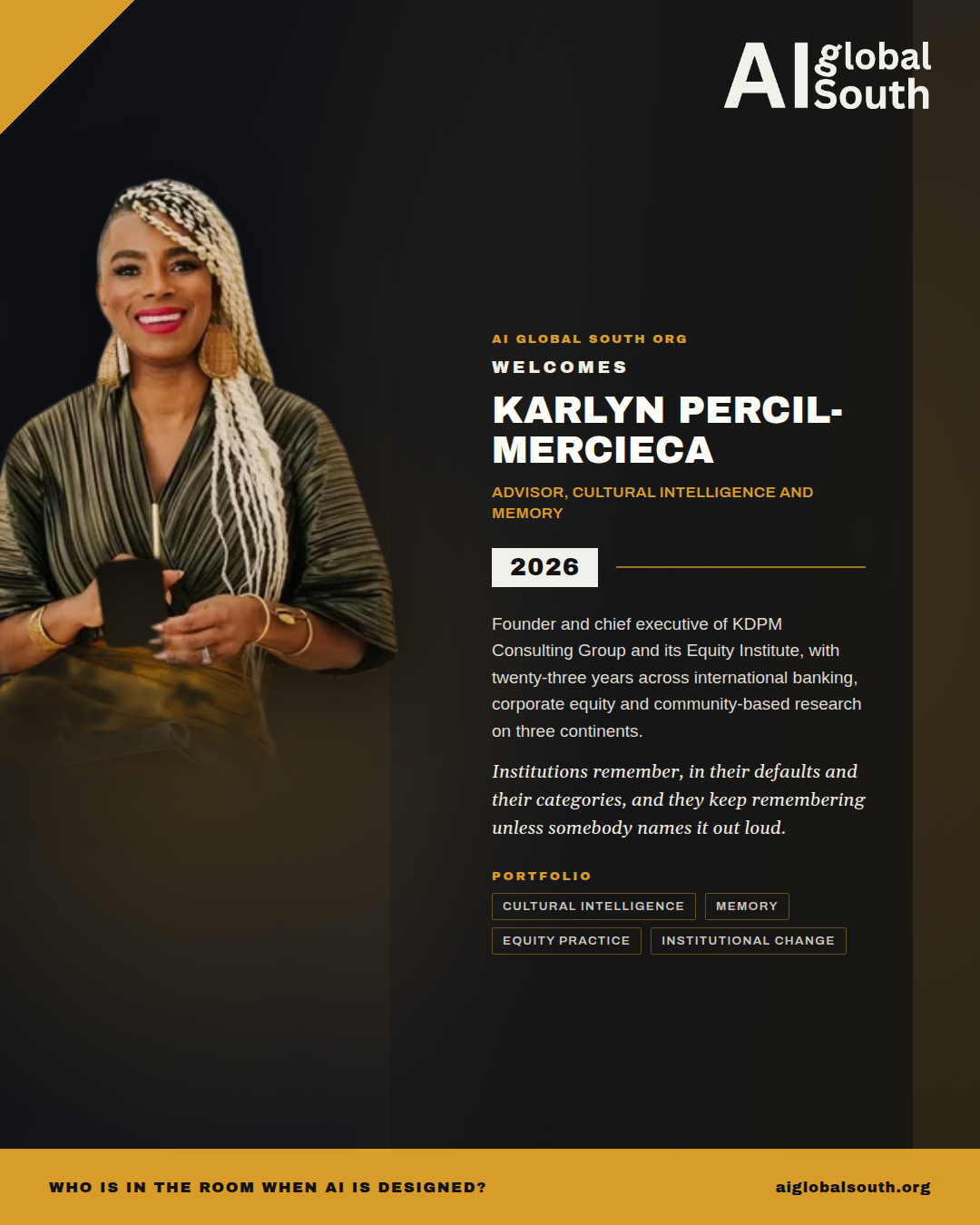
Karlyn Percil-Mercieca is founder and chief executive of KDPM Consulting Group and its Equity Institute, a Toronto practice working at the intersection of ancestral wisdom, neuroscience and systemic transformation. She calls the role Cultural Architect. It rests on twenty-three years across international banking, corporate equity and community-based research on three continents, with clients including TD Bank, KPMG and Pinterest. Her work focused on cultural intelligence memory, which is why her position on this table is unambiguous: responsible AI must advance human dignity, not merely efficiency.
A certified Emotional Intelligence and Neuro-Life Coach, she also founded the SisterTalk Group Leadership and Wellness Academy, chaired the BBPA Harry Jerome Awards, partnered with UNICEF and Toronto Police Service on Break The Stigma, and was named among Saint Lucia's women leaders in the 2021 She Is Saint Lucia campaign. She has appeared on Oprah's LifeClass and Cityline, and in Forbes, Essence and The Globe and Mail.
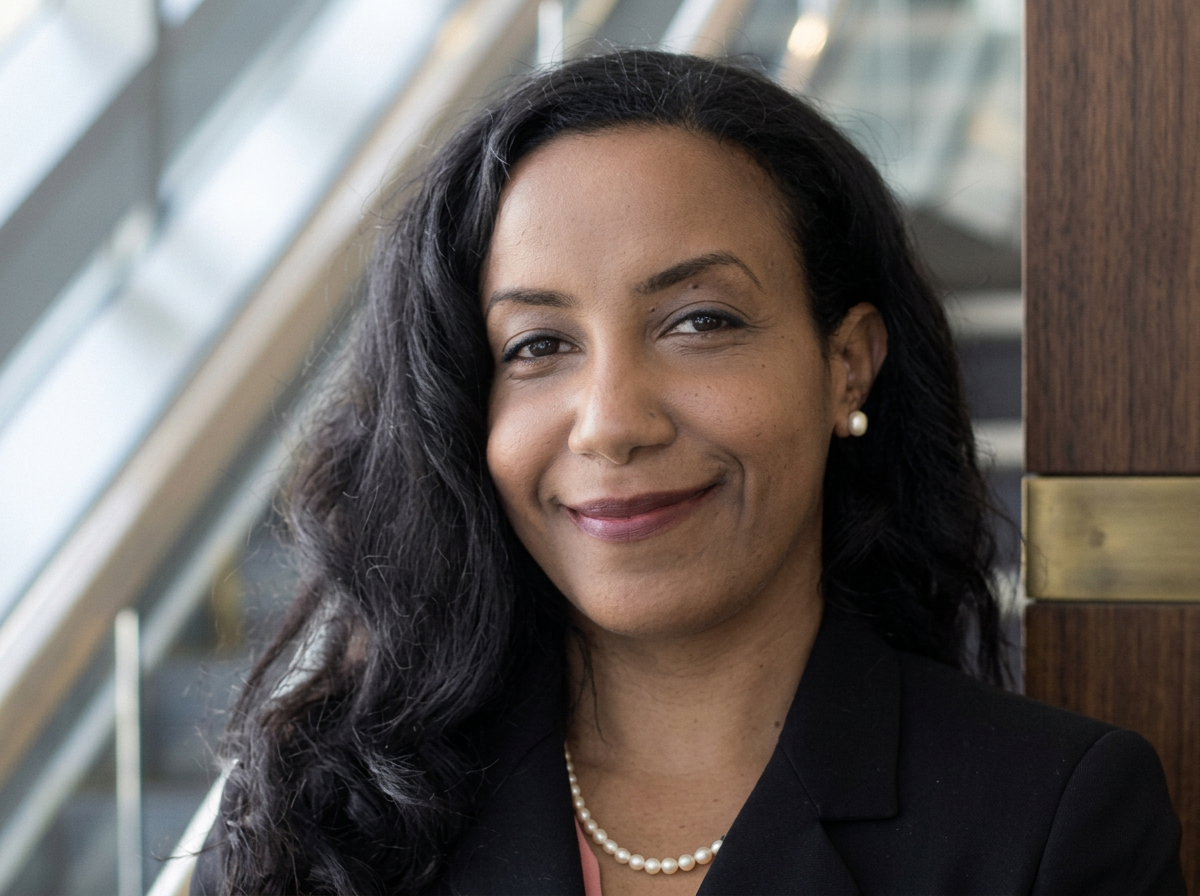
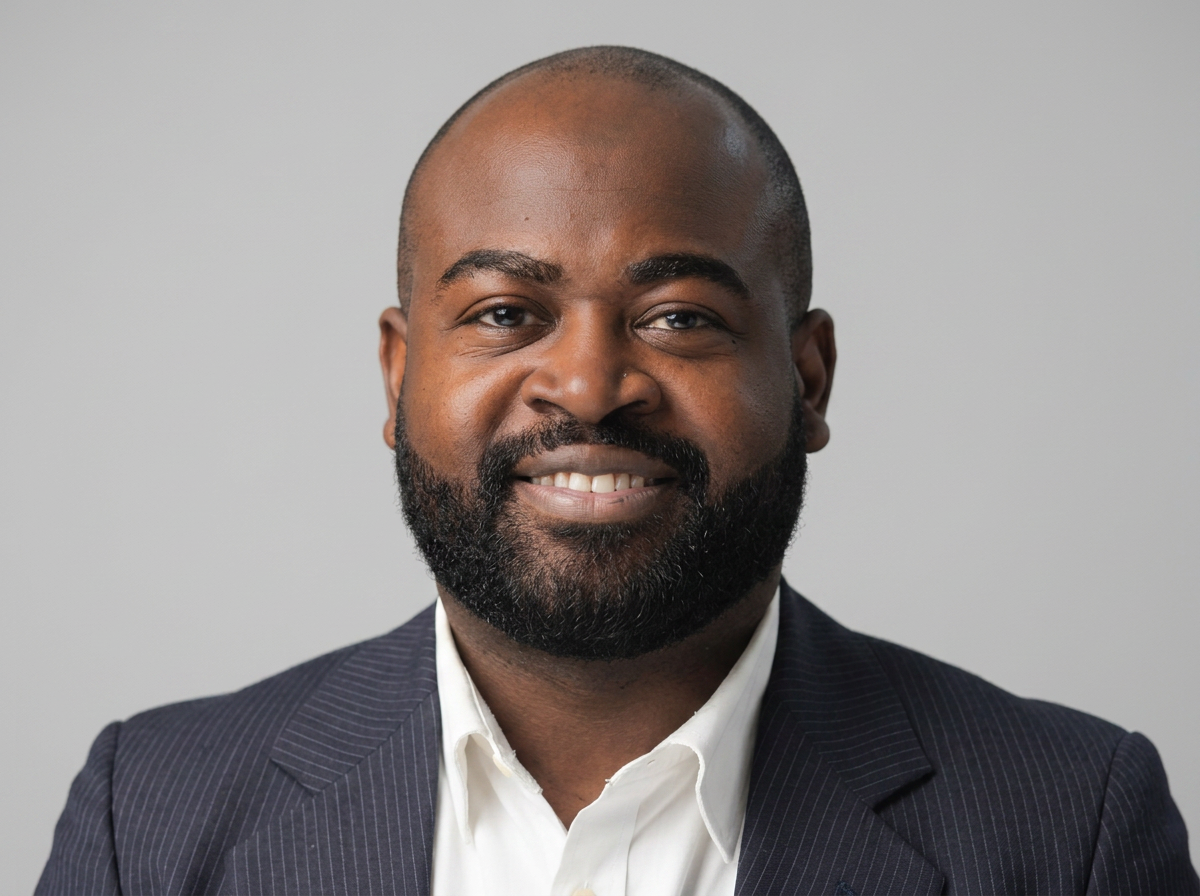
Advisor, Capital & Community Wealth
Term 2026-2028
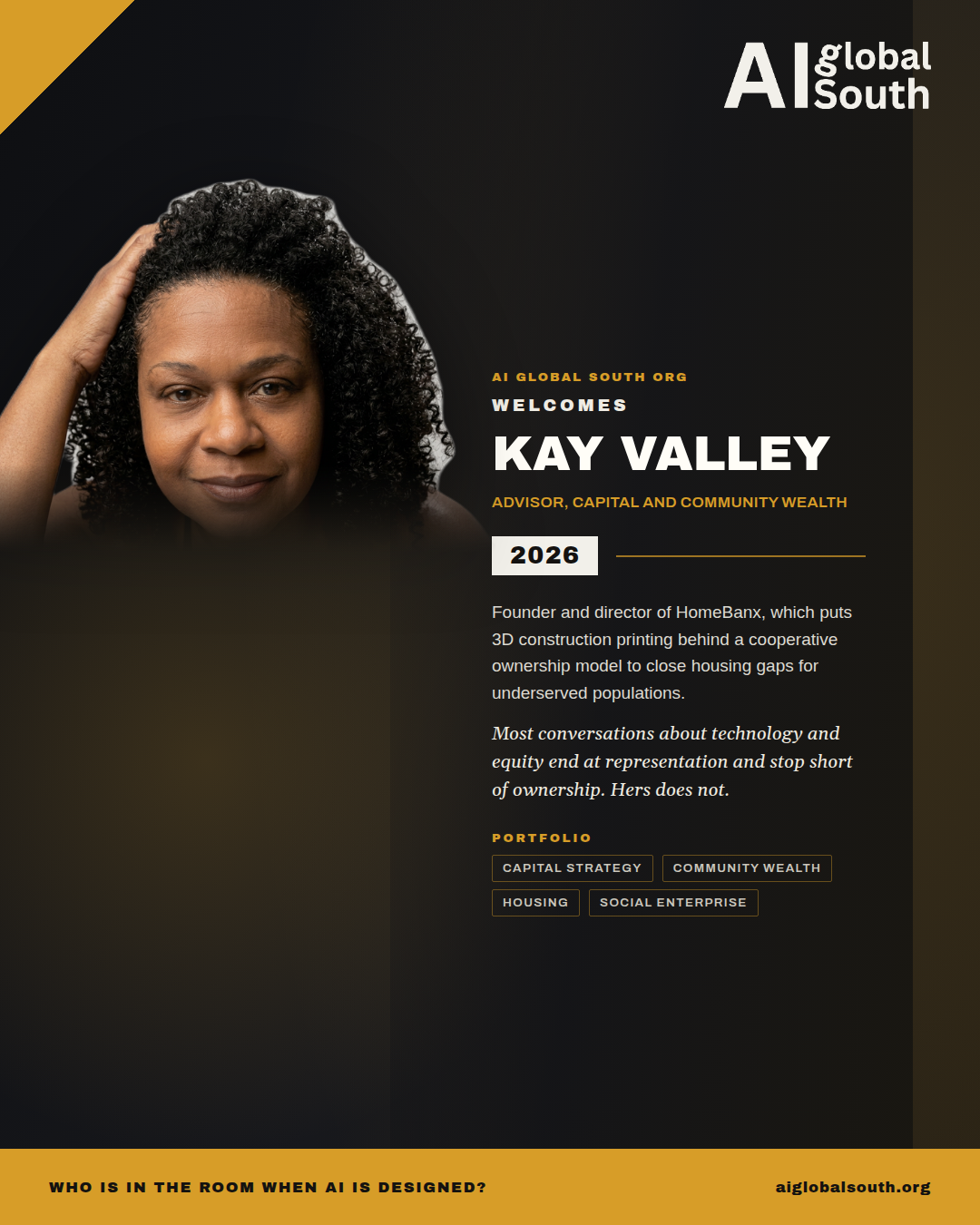
Kay Valley is founder and director of HomeBanx, a Canadian venture applying 3D construction printing to the housing gap. HomeBanx is built as a cooperative that puts homes into the hands of people the mortgage market has never served: the under-housed, people without shelter, and Black Canadians shut out of generational wealth. Her own description is the clearest one: a food bank for homes. he arrived there by way of an eco renovation showroom she founded in Toronto, and a decision that consulting on equity is not the same thing as changing who owns anything. HomeBanx was named a winner in the social enterprise stream of Rhyze Ventures, Innovation Guelph's programme for women founders, in 2022.
She also writes. Your Black Friend takes on inequity, race, poverty, and the pull of status among the powerful.She joins the Foundation's advisory board with a finance practice that begins from distribution rather than from credit, and a working interest in who gets counted as fundable and who never enters the calculation at all.
Advisor, Business & Industry
Term 2026-2028
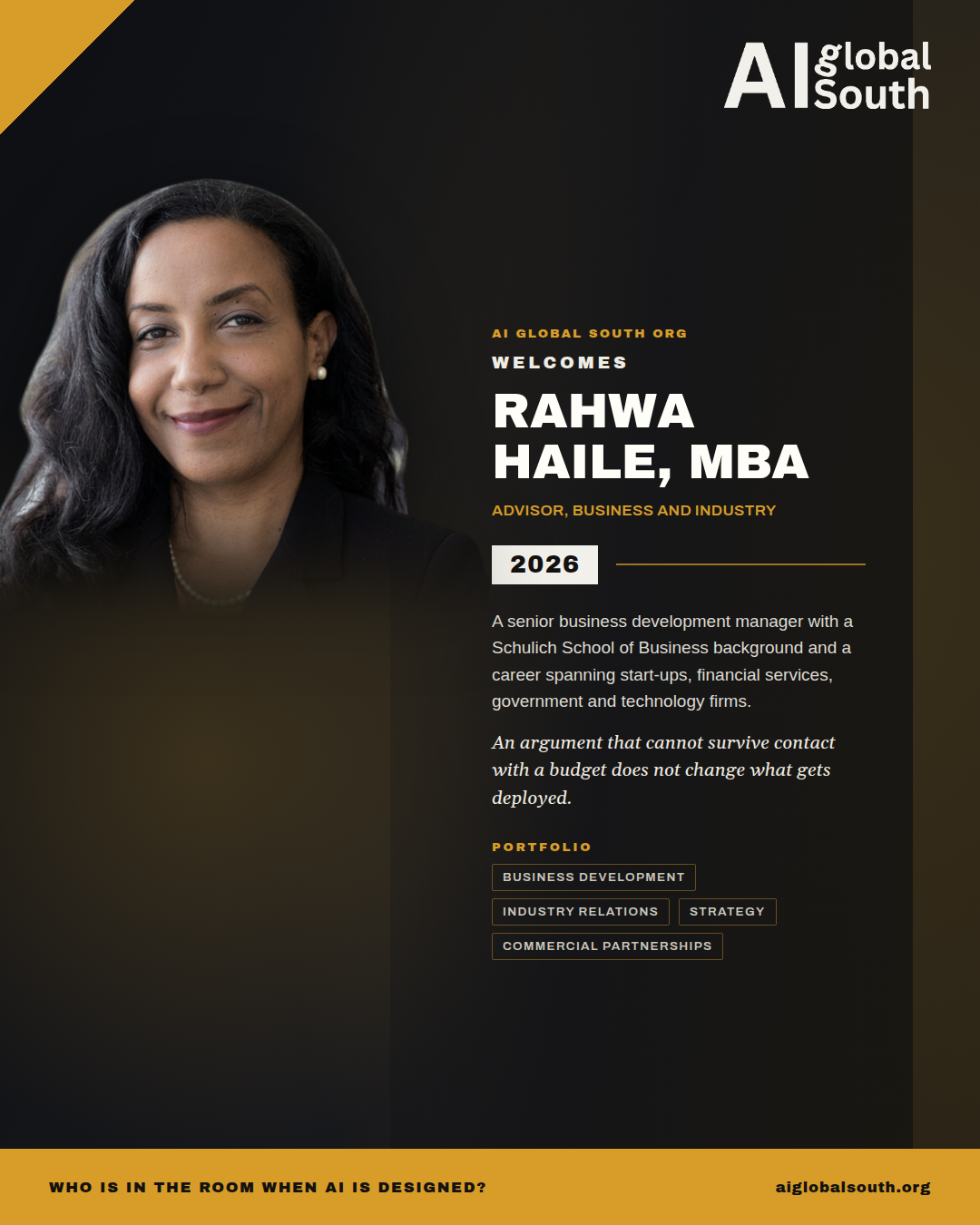
Rahwa Haile is a senior manager in business development with a Schulich School of Business background and a career spent across start-ups, financial services, government, and technology firms, where her work has centred on financial analysis, strategic planning, and market entry. She is, by her own description, someone who bridges the gap between strategy and day-to-day operations, which is precisely where most foundations come apart: in the space between what an organization says it will do and what its resources will actually allow. As an advisor she holds that ground for us, because a board that commits to refusing seats in exchange for funding still needs someone who can make the arithmetic work.
Secretary & Project Lead
Term 2026-2028
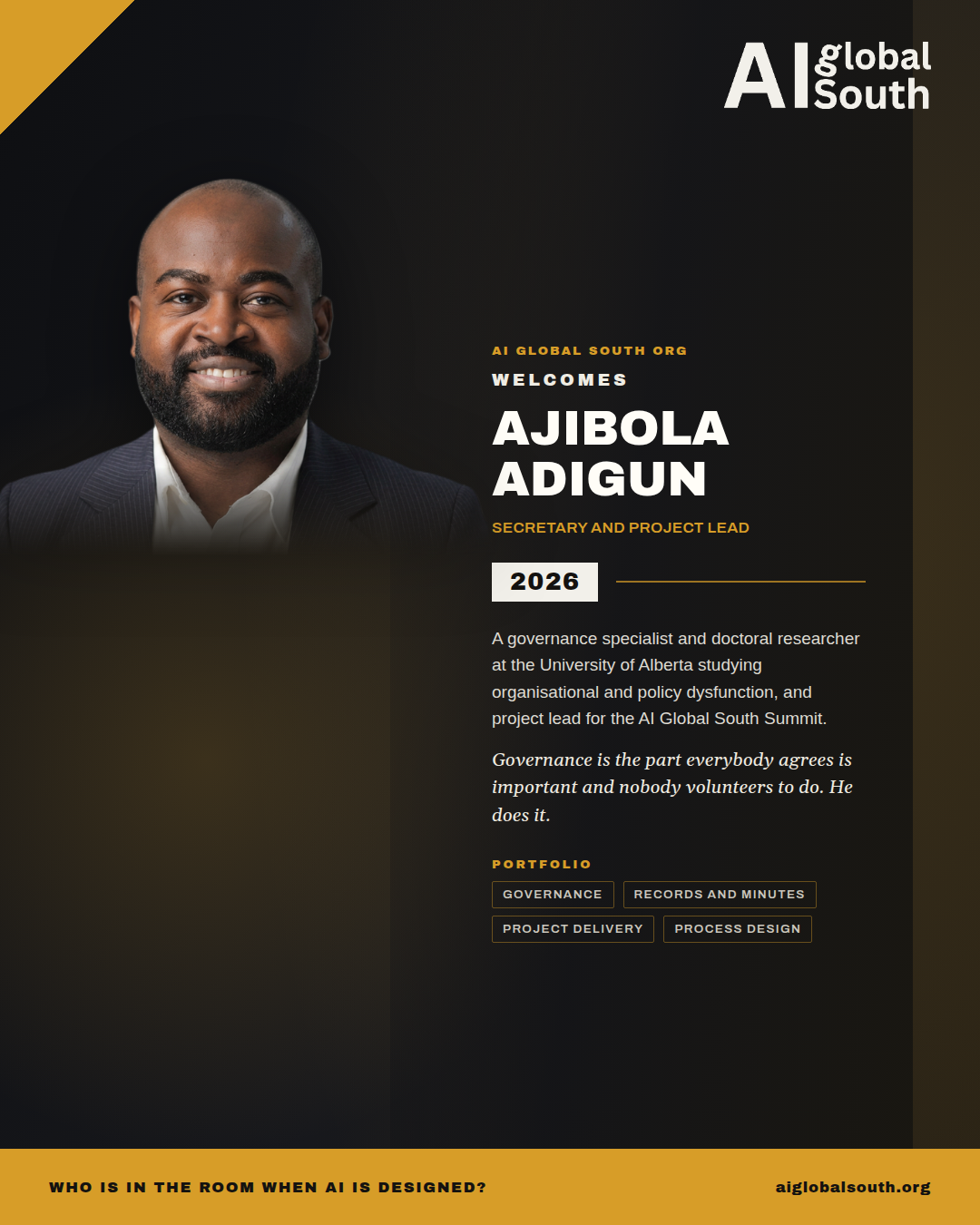
Ajibola Adigun is a governance specialist and doctoral researcher at the University of Alberta who studies why organizations and policies get stuck, and builds the processes that unstick them. He has worked inside nonprofits, political campaigns and government offices, running events, leading communications, and advising people making high-stakes decisions with too little information and too many stakeholders. He names the problem better than most: keeping minutes and wasting hours. As project lead for the AI Global South Summit, he is the reason the summit is an event rather than an intention. Much of this board treats governance as an argument. He treats it as a practice, on the premise that transformation does not come from better ideas but from better processes for turning ideas into action.
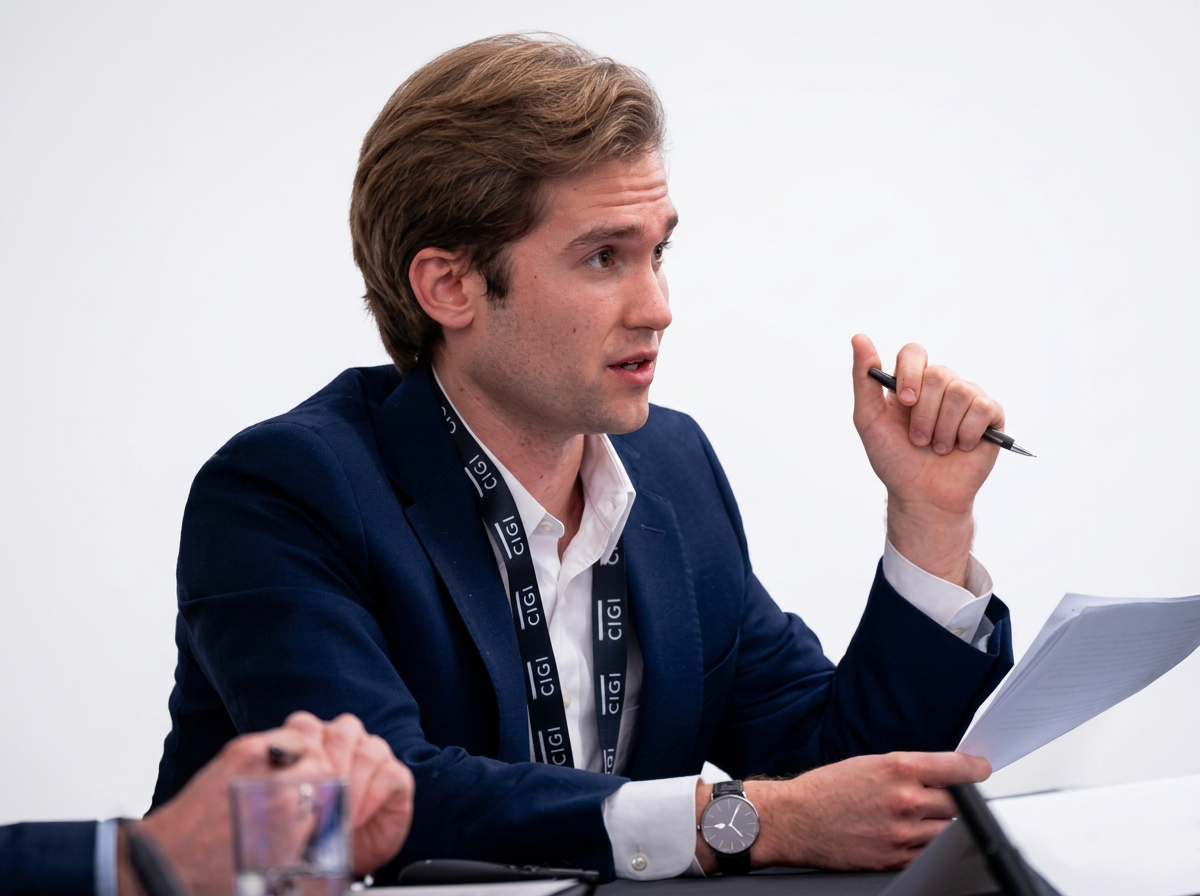
Member at Large
Term 2026-2028
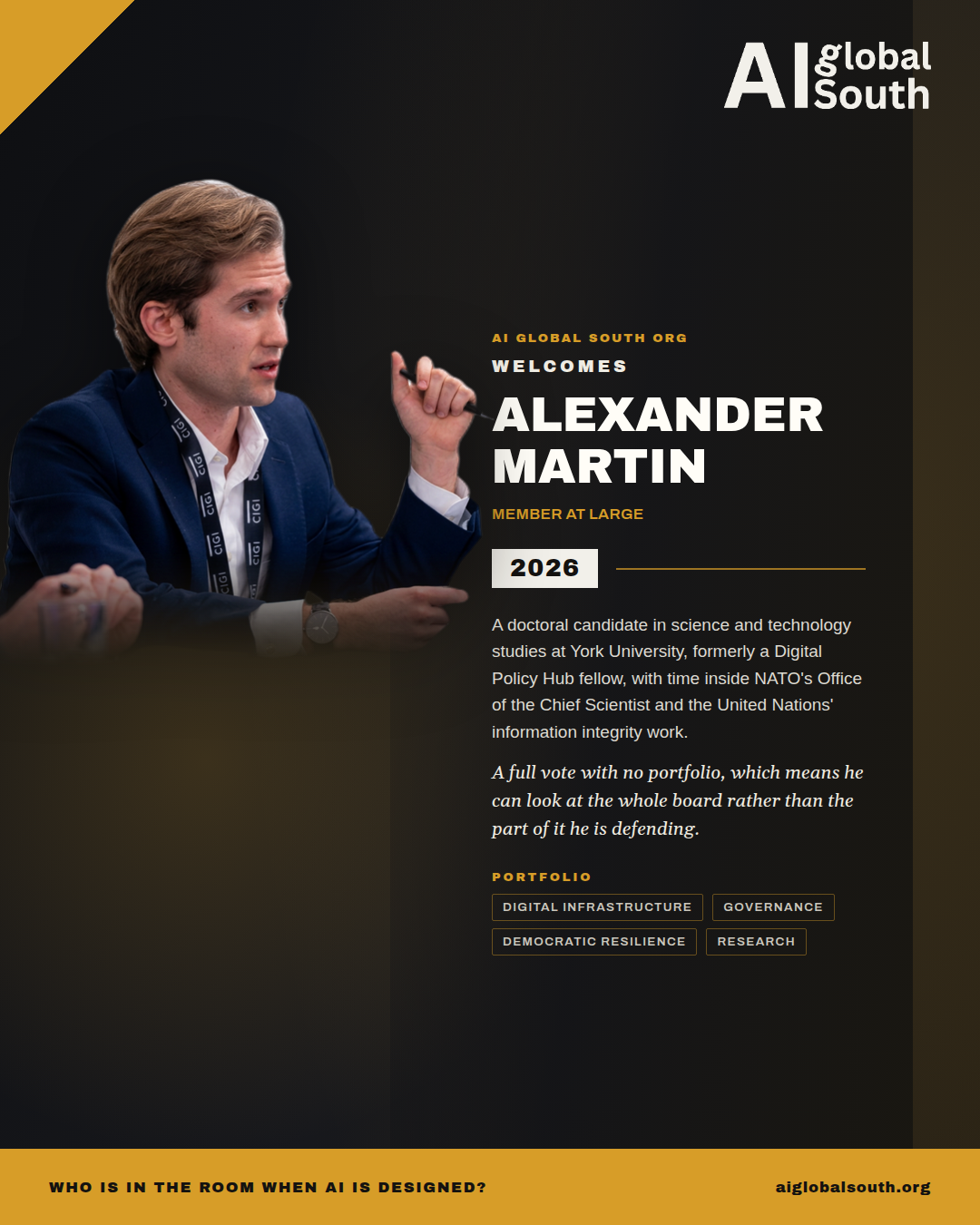
Alexander F. Martin is a PhD candidate in science and technology studies at York University and a former Digital Policy Hub doctoral fellow at the Centre for International Governance Innovation, where his work examined how public interest digital infrastructure and governance can strengthen democratic resilience and digital sovereignty. He has held policy and strategic communications roles at NATO's Office of the Chief Scientist and at the United Nations Information Integrity Unit, working on misinformation, disinformation and hate speech in peace operations, and he is deputy editor at Open Canada. His subject is information integrity, which is not whether a given claim is true but whether the systems carrying it can be inspected, audited and repaired. That is the governance half of everything this board studies. Someone has to know how the institutions actually work from the inside, and he has worked inside three of them.
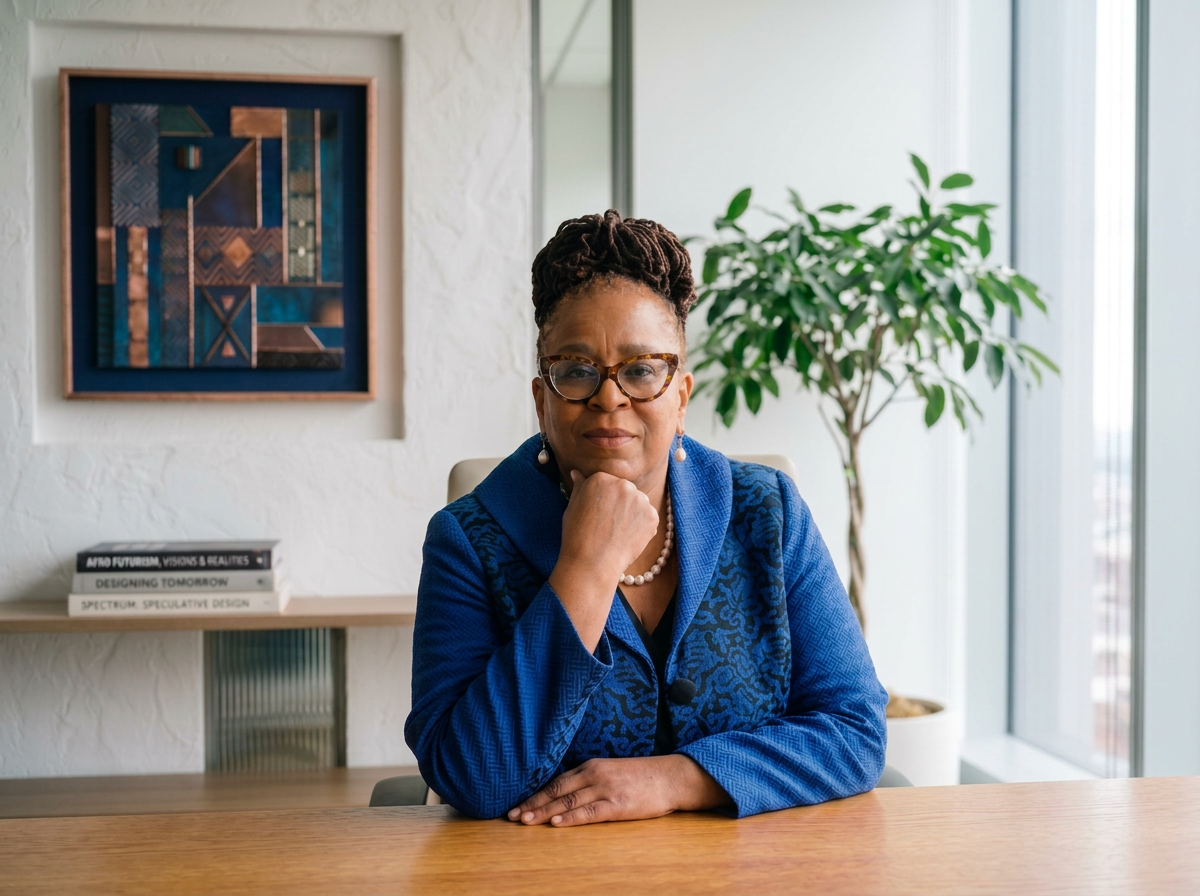
Futurist in Residence
Term 2026-2028
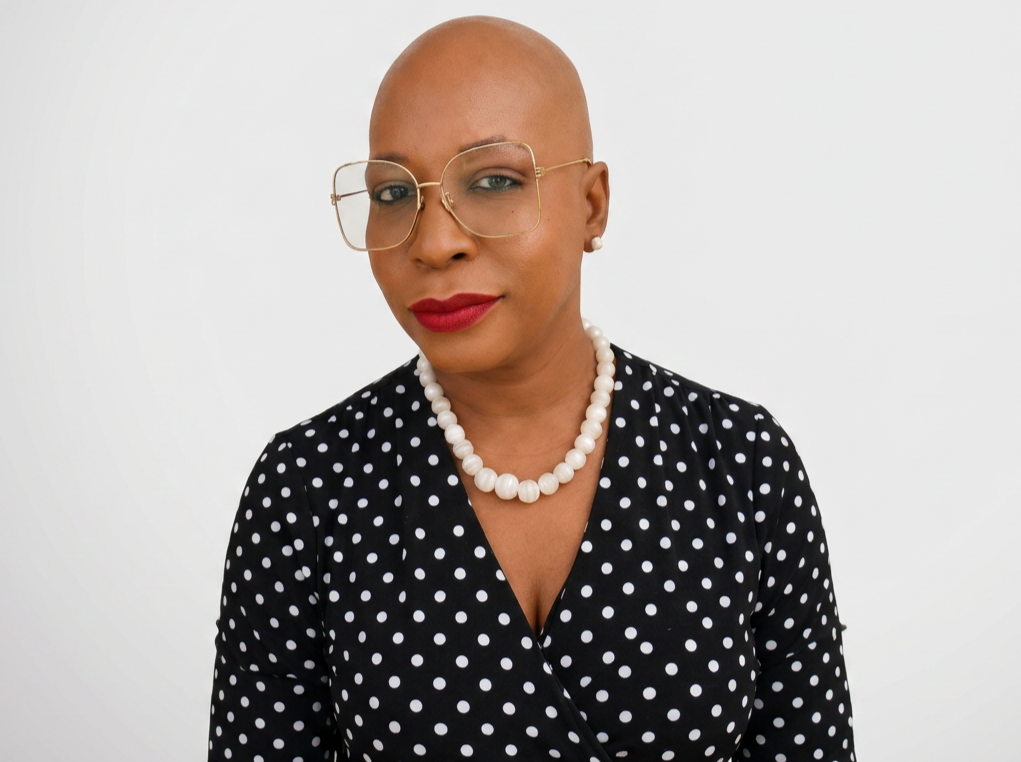
Dr. Claire Nelson, Chief Visionary Officer of The Futures Forum, is listed among Forbes Top 50 Female Futurists. The author of the game-changing book “SMART Futures for a Flourishing World: A Paradigm Shift for Achieving Global Sustainability”, is Editor of the World Futures Studies Federation flagship magazine ‘Human Futures’. A sought-after speaker, Nelson’s engagements have included: World Bank, World Steel, Saudi Space Agency, Pacific Skills Summit, UNESCO, US State Department, Inter-American Development Bank, University of Michigan, and the White House. The Convenor of Space Futures Forum, globally recognized for her work in advancing Space in Africa and space sustainability serves as Advisor to various groups including Engineering for One Planet, Space Kidz India and Space for Humanity. Honored as a White House Champion of Change, and a Global Goodwill Ambassador for UN International Moon Day, she holds a Doctorate in Engineering Management from George Washington University.